
Although the American Dental Association recommends seeing your dentist every 6 months for a routine checkup and cleaning to prevent common oral issues, such as tooth decay, sources report that only about 58% to 64% of U.S. adults have visited their provider in the past year.
That means there are millions of Americans who are at an increased risk of developing dental problems. You might think your mouth is perfectly healthy if you haven’t noticed any areas of concern, but they can develop between your teeth where you can’t see them. Read on to learn more about identifying and preventing interproximal cavities!
What Is an Interproximal Cavity?
Did you know that your mouth is home to billions of bacteria representing hundreds of different species? Some of these are beneficial and even aid with essential processes, such as digestion. But others are harmful and, if they are allowed to thrive, can cause tooth decay or gum disease.
Unfortunately, these microbes can gather in places that are difficult to see on your own at home, including between two teeth or behind your molars. These areas are also hard to clean, which can lead to cavities. If you’ve been skipping dental exams, you might not know you have a problem until it progresses into more significant damage or decay.
How Do I Know If I Have an Interproximal Cavity?
Understanding what signs to look for can help you identify interproximal cavities in time to contact your dentist for help. Potential indicators might include:
- Tooth sensitivity. You might notice a sharp sensations, especially when consuming anything hot, cold, acidic, or sweet.
- Dental discomfort. Increasing or prolonged discomfort often points to a cavity or other underlying concern.
- Discoloration. The affected tooth may appear darker or develop white, brown, or black spots.
- Persistent bad breath. Thriving dental disease or decay can cause chronic bad breath, also known as halitosis.
- Frayed floss. Jagged enamel resulting from tooth decay can cut or fray string floss.
How Can I Help Prevent Tooth Decay?
Thankfully, interproximal cavities can be prevented by taking a few basic precautions. Most people can help protect their smiles by:
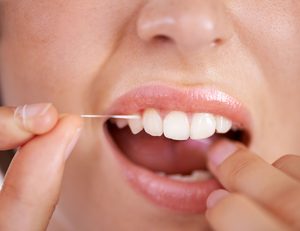
- Implementing an at-home dental hygiene routine. Brushing and flossing twice daily removes harmful plaque and bacteria to prevent problems.
- Eating wholesome foods. Minimizing your consumption of sugary and acidic foods can help maintain stronger teeth and gums.
- Scheduling regular checkups. Your dentist uses routine exams and cleanings to monitor your oral health and address areas of concern, like thinning enamel, before they get worse.
If you’re worried you may have cavities between your teeth, it’s time to contact your dentist for help!
About the Practice
At Westbury Dental Spa, families and individuals benefit from three dentists who are passionate about helping them build beautiful, healthy teeth and gums. Dr. Oza-Chughtai, Dr. Maksumova, and Dr. Awan collaborate to provide a complete menu of services, including tooth-colored fillings and routine preventive care, to meet the unique needs of people of all ages. If you’re concerned about hidden interproximal cavities, you can request an appointment on the website or call (516) 282-5100.