
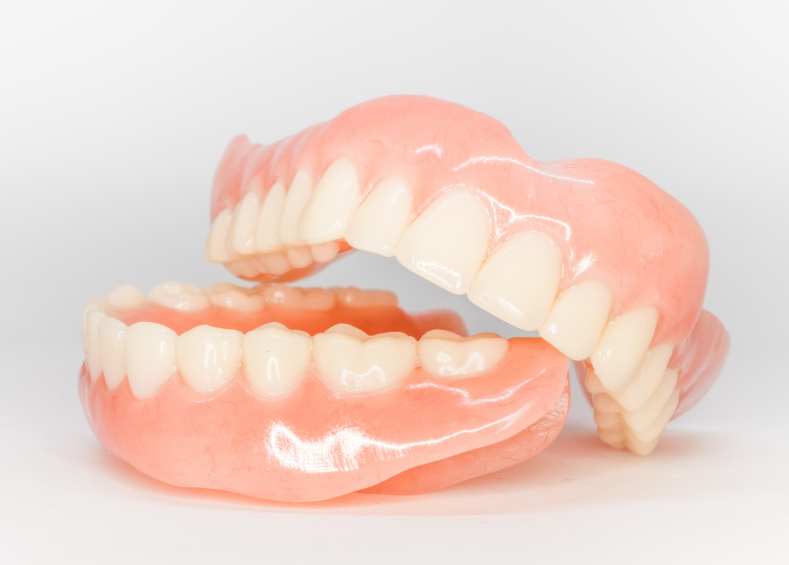
Getting dentures is an exciting step toward restoring your smile, confidence, and ability to enjoy your favorite foods again. While dentures are designed to help you eat comfortably, it’s perfectly normal for the adjustment period to take a little time. Your cheeks, tongue, and jaw muscles all need to learn how to work with your new teeth.
The good news is that with a little patience and a few helpful strategies, eating with dentures will soon become second nature. Here are some tips to make the transition as smooth as possible.
Start with Soft Foods
During the first few days after receiving your dentures, stick to foods that are easy to chew and swallow. Soft foods put less pressure on your gums while you become familiar with how your dentures feel.
Some great options include:
- Mashed potatoes
- Yogurt
- Scrambled eggs
- Oatmeal
- Applesauce
- Soup
- Cooked vegetables
- Pasta
- Soft fish
As your confidence grows, gradually introduce foods with firmer textures instead of trying to eat everything at once.
Take Small Bites and Chew Slowly
One of the biggest adjustments is learning how to chew with dentures. Instead of taking large bites, cut your food into smaller, manageable pieces.
Try chewing slowly and evenly on both sides of your mouth at the same time. This helps distribute pressure across your dentures, making them feel more stable and reducing the chance they’ll tip or shift while you eat.
Taking your time also gives your mouth an opportunity to adapt to the new chewing motions.
Avoid Challenging Foods at First
While you’ll likely be able to enjoy many of your favorite foods again, some items are best avoided until you’ve fully adjusted to your dentures.
Foods that can be difficult during the early weeks include:
- Tough cuts of meat
- Sticky candies
- Caramel
- Chewing gum
- Crusty bread
- Whole apples
- Popcorn
- Nuts
Once you’ve become comfortable with your dentures, your dentist can offer personalized advice on safely enjoying more challenging foods.
Practice Makes Progress
It’s common to feel a little awkward eating at first, especially if you’re worried your dentures might move. Don’t let that discourage you. Like learning any new skill, wearing dentures simply takes practice.
Eating meals at home before dining out can help build your confidence. The more often you wear your dentures and practice chewing, the more natural they will begin to feel.
Most people notice steady improvement over the first several weeks as their muscles adapt.
Keep Your Dentures Clean
A clean denture fits and functions better than one covered in food debris or plaque. Be sure to remove and clean your dentures every day using products specifically designed for dentures. You should also gently brush your gums, tongue, and any remaining natural teeth to keep your mouth healthy.
Regular dental visits are equally important. Your dentist can check the fit of your dentures and make adjustments if sore spots or looseness develop. A properly fitting denture makes eating much easier and more comfortable.
Before long, you’ll be enjoying meals with greater comfort and confidence while making the most of your restored smile.
About the Practice
The team at Westbury Dental Spa is dedicated to helping patients regain healthy, functional smiles with personalized restorative dental care. They provide high-quality full and partial dentures, along with comprehensive treatment designed to improve comfort, confidence, and quality of life.
Call us at (516) 282-5100 or schedule your appointment online.